
Launching a business is one of the most exciting — and terrifying — experiences an entrepreneur can have. The first year is rarely glamorous. It’s long hours, tight budgets, and an obsession with keeping the business alive long enough to build momentum.
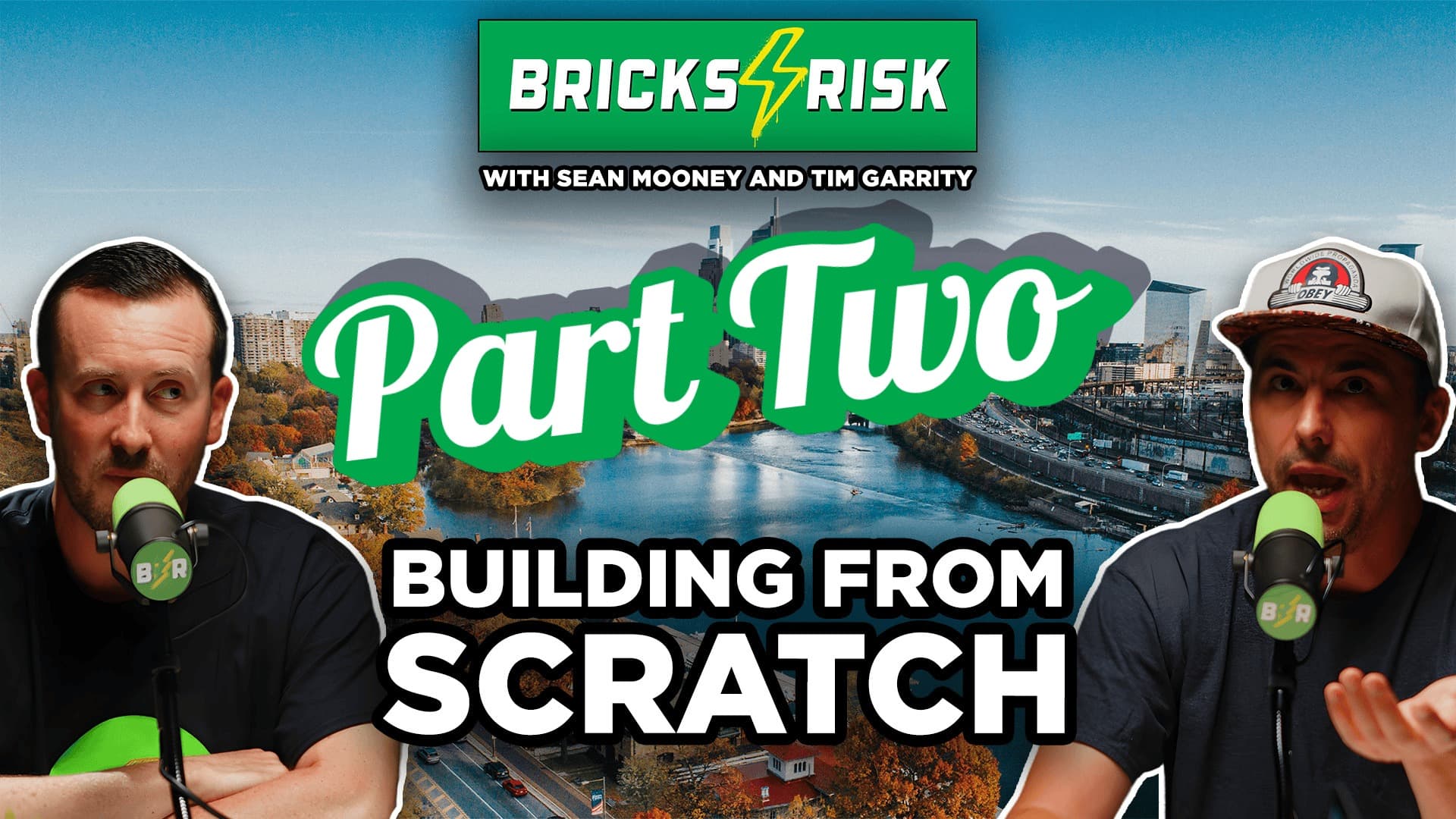
In this week's episode, we break down the hard-earned lessons from Tim Garrity’s first year in real estate and Sean Mooney’s early days building his insurance agency. From 80-hour work weeks to creative grassroots marketing, their stories reveal the truth about what it takes to survive year one in business.
Table of Contents
The Harsh Reality of Year One
Most people dream of starting a business because they imagine freedom, financial independence, and control over their future. The reality? The first year feels more like survival mode.
For both Tim and Sean, year one wasn’t about profits — it was about proving to themselves that they could stick it out long enough to see results. Income was inconsistent, expenses kept adding up, and the workload was overwhelming. Yet, both embraced the grind, knowing that the compound effect of their efforts would eventually pay off.
Bootstrapping with a Shoestring Budget
Running lean was non-negotiable. Sean described his first year as operating on “dental floss” instead of a shoestring budget.
Every decision came down to one question: Will this make money?
Expenses like networking group memberships, certifications, basic websites, and business insurance were carefully considered. Luxury offices or unnecessary upgrades were ignored. For Sean, one of his biggest early investments was earning the Certified Insurance Counselor designation, a costly move at the time but one that gave him credibility and knowledge to compete against long-established agencies.
Tim took a similar approach in real estate. Instead of big ad spends, he kept overhead low and invested sweat equity. He relied on MLS dues, a laptop, and sheer persistence to get started.
Creative Marketing in the Early Days
Without a budget, creativity had to take center stage.
Tim’s year one was filled with tear-off flyers, Craigslist ads, and knocking on doors. He posted ads online introducing himself as a realtor and offering to connect people with plumbers, electricians, or mortgage brokers. He distributed flyers in his neighborhood with tabs people could pull to contact him.
The goal wasn’t glamour — it was visibility. Every flyer pulled, every Craigslist inquiry, and every handshake was a chance to turn a stranger into a connection.
Sean used a similar strategy in insurance. Networking groups became his lifeline, along with small print marketing campaigns and word-of-mouth referrals. Each dollar spent had to deliver a return.
Content Marketing Before It Had a Name
One of the most forward-thinking decisions Tim made was diving into blogging in 2010, long before it was mainstream in real estate.
Platforms like ActiveRain and Trulia allowed agents to share posts, connect with readers, and showcase expertise. Tim began by writing about local news, market trends, and neighborhood insights — not with polished strategy, but with a genuine desire to reach people he didn’t already know.
That decision paid dividends. As Forbes points out, content marketing remains one of the most effective ways to build trust and visibility in business. Tim’s early blogging was a precursor to today’s real estate marketing strategies that rely heavily on online authority and personal brand.
Sacrifices, Workload, and Obsession
The most defining feature of year one wasn’t money — it was time.
Both Tim and Sean admitted to working 70–80 hours per week. Weekends, evenings, and holidays blurred into workdays. The business became all-consuming, like a third partner in their marriages.
This wasn’t sustainable forever, but it was necessary at the start. As Investopedia reports, nearly 20% of small businesses fail in the first year, often due to underestimating the time and commitment required.
Table: Small Business Survival Rates (U.S. Bureau of Labor Statistics)
Years in Business | Survival Rate |
|---|---|
1 Year | 80% survive |
2 Years | 65% survive |
5 Years | 50% survive |
10 Years | 35% survive |
For Tim and Sean, survival wasn’t about luck — it was about obsession. Wake up thinking about the business, go to sleep thinking about it. The sacrifice was real, but so was the payoff later.
Runway: Why Businesses Fail or Take Flight
One metaphor both entrepreneurs leaned on was the runway analogy.
A plane needs enough runway to gain speed before takeoff. A business is the same. Without savings, support, and a realistic timeline, most businesses never leave the ground.
For Tim, that meant an 18-month agreement with his wife: if things didn’t take off by then, he’d return to a corporate job. For Sean, it meant saving enough to cover basic expenses while building slowly.
The lesson: don’t underestimate how long it takes for momentum to build.
Parallel Lessons from Podcasting
Interestingly, both Tim and Sean compared building their businesses to building the Bricks and Risk Podcast. When they launched the show, they had the same questions: Will anyone listen? Will anyone watch?
Just like in business, they embraced the learning curve, leaned on community, and committed to showing up consistently. The parallel is clear — success in any venture requires persistence, patience, and a willingness to figure it out along the way.
Key Takeaways for New Entrepreneurs
Run lean in year one. Only spend money on what directly grows your business.
Get creative. Flyers, Craigslist ads, networking — simple tactics still work.
Invest in credibility. Education and certifications can set you apart.
Obsess over visibility. Put yourself everywhere, even when results feel slow.
Plan your runway. Give yourself enough time and savings to sustain the grind.
Think long-term. Content, relationships, and consistency compound over years.
FAQ: Starting and Surviving Year One
Q1: How many hours should I expect to work in my first year of business?
Most entrepreneurs work 60–80 hours per week in year one. It’s an all-in season of sacrifice to get the business off the ground.
Q2: What are the biggest expenses in year one?
Licensing, insurance, networking memberships, marketing materials, and a basic website are common. Keep overhead low and prioritize return-driven expenses.
Q3: Why do so many businesses fail in the first year?
A lack of runway, unrealistic expectations, and underestimating the workload are top reasons. Survival requires savings, discipline, and persistence.
Q4: Is blogging still valuable for business owners today?
Yes — blogging and content marketing remain essential for building trust, authority, and online visibility. They compound in value over time.
Q5: How can I stay motivated when income is low in year one?
Focus on activity over income. Every flyer, call, or post is planting seeds for future business. Celebrate small wins to maintain momentum.
✅ If you’re thinking about launching your own business, let Tim and Sean’s journey be a roadmap. Year one is the hardest, but with creativity, persistence, and a long-term mindset, it can also be the most rewarding.
📲 Want more inspiration, insights, and expert advice at the intersection of real estate, insurance, and entrepreneurship?
Connect with Bricks and Risk here:
🌐 Web: https://bricksandrisk.com/
🔗 YouTube: https://www.youtube.com/@BricksandRisk
📸 Instagram: https://www.instagram.com/bricksandrisk/
📘 Facebook: https://www.facebook.com/bricksandrisk
💼 LinkedIn: https://www.linkedin.com/company/bricksandrisk