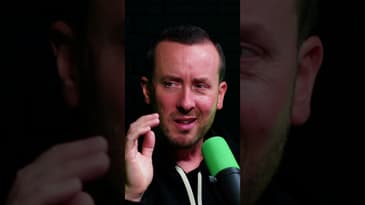
Tim’s analogy works because it makes the complexity of brokerage models instantly understandable. He lays out how old school brokerages feel familiar, packaged, and traditional—much like an all-inclusive resort where everything is bundled, predictable, and clearly structured. You get the full experience upfront: the food, the drinks, the entertainment, the comfort of knowing what you’re paying for and what you’re going to get. That’s the classic brokerage environment many agents grew up within, where the offering is broad, the systems are defined, and the structure is built to be one-size-fits-all.
On the other side is the new school model—more flexible, more customizable, and more modern. This is the à-la-carte trip where you pick and choose the elements you want. You pay only for what you need. You build the experience yourself. For many agents entering today’s real estate world, that freedom and personalization feel more aligned with how they want to run their business. There are fewer rigid systems, fewer mandatory “extras,” and more ability to scale based on your own ambition. It's leaner, more efficient, and far more adaptable to a digital-first business landscape.
What makes this clip so compelling is how naturally the analogy fits. The moment Tim starts describing the difference between these two travel experiences, the entire industry debate suddenly feels simple. Every agent knows what kind of trip they prefer. Every agent knows what they value most—guidance and structure, or independence and flexibility. And from there, the brokerage comparison becomes crystal clear. It cuts through confusion, cuts through ego, and cuts through marketing noise. It answers one of the biggest questions agents always ask: Which model is actually right for me?
Sean jumps in to reflect on why this analogy resonated with so many listeners. Agents often make decisions based on emotion or familiarity rather than strategy. But this explanation creates space for reflection. It encourages agents to think about what kind of business they want to build, what kind of lifestyle they want to live, and what kind of support system will help them grow over the long term. It’s not about which model is “better”—it’s about which one matches who you are and how you want to operate.
Tim goes deeper by explaining the reason this episode remains one of his favorites: it’s one of the few conversations where years of experience suddenly clicked into a simple framework. It gave new agents clarity, helped seasoned agents understand the shifting landscape, and offered a direct, real-world comparison that could be shared, replayed, and used in real decision-making. Agents, team leaders, and even brokers reached out telling him that this episode helped them re-evaluate their own choices and better understand competitors, colleagues, and even their own teams.
The energy in this clip also captures something that’s easy to miss in the broader real estate conversation: the industry is changing faster than most realize. New school brokerages aren’t just trends—they’re reactions to agent demand. Old school brokerages aren’t outdated—they’re proven systems that continue to provide stability and value. The market isn’t choosing one over the other; instead, the industry is expanding so agents can choose the best fit for themselves. And this analogy becomes the perfect lens for that understanding.
Whether you’re a first-year agent trying to figure out where you belong, a ten-year veteran reevaluating your next move, or simply someone curious about how real estate brokerages differ, this clip gives you a clear, grounded, and immediately useful explanation. Tim’s breakdown is honest and practical—something you can actually apply, not just listen to. And Sean’s added perspective reinforces why these conversations matter: the right brokerage model is one of the most important career decisions any agent will ever make.
Watch this clip to get a fresh, simple, and surprisingly relatable take on one of real estate’s biggest debates. It’s a reminder that the best insights often come from the places you least expect—like choosing between a trip where everything is included and a trip where you build the adventure yourself.