
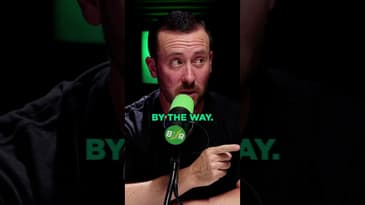
In this clip, Tim Garrity and Sean Mooney sit down with Mike Coyle, one of the sharpest minds in residential appraising, to explore how AI is quietly transforming the way real estate, insurance, and valuation businesses operate. It’s not just about automation or fancy tools — it’s about discovering how technology can multiply the time, insight, and effectiveness of the people who use it.
The discussion opens with an honest look at what AI actually means for small and mid-sized service companies. While the headlines focus on massive corporations and tech startups, the real disruption is happening on the ground — with agents, adjusters, and appraisers who are learning to integrate smart systems into their everyday workflows. Sean shares how he’s using AI in his insurance business to automate data collection and streamline client interactions. Tim breaks down how AI-powered tools help realtors analyze markets faster, refine pricing strategies, and personalize client communication at scale. Mike connects the dots for the appraisal world, showing how technology can help filter data, compare comps, and standardize reporting while freeing appraisers to focus on what matters most: professional judgment.
The conversation goes beyond tech talk. It dives into mindset — how business owners can stay adaptable and avoid being left behind as AI becomes a standard part of the process. Each of them admits that learning to use AI can feel uncomfortable at first. But the payoff is clear: less busywork, faster turnaround times, and higher-quality output. The future of these industries belongs to the people who figure out how to work with AI instead of competing against it.
Throughout the discussion, there’s an underlying message that technology should never replace expertise — it should amplify it. Tim points out that realtors who understand how to blend data with human connection will dominate local markets. Sean explains how using AI to handle repetitive administrative work allows him to spend more time actually serving clients. Mike emphasizes that no algorithm can replicate the human judgment required in home valuation — but it can absolutely improve consistency, accuracy, and speed when used intelligently.
They also explore the cultural side of AI adoption. How do you convince a traditional team to trust new systems? How do you balance automation with authenticity? What happens when clients start using AI tools themselves? These are real questions that every professional will face sooner than they think, and this conversation delivers the kind of practical perspective that’s often missing from the hype.
As the talk unfolds, the three of them reveal that AI’s true value isn’t in replacing human skill — it’s in freeing people to spend their energy on creative, strategic, and relationship-driven work. Realtors can focus on negotiations instead of spreadsheets. Insurance professionals can deepen client relationships instead of chasing paperwork. Appraisers can analyze complex market shifts instead of losing hours to manual data entry.
There’s also an honest warning woven throughout: waiting too long to adapt means falling behind. The people who embrace technology early — even imperfectly — will have a massive edge. AI doesn’t make you instantly better at what you do; it magnifies whatever habits and systems you already have. If you’re organized, efficient, and client-focused, AI will supercharge your results. If you’re disorganized and reactive, it’ll only expose the cracks faster. The takeaway is clear — start experimenting now, learn as you go, and let technology become a partner, not a threat.
What makes this short powerful isn’t just the talk about tools or tactics — it’s the genuine curiosity and practical insight behind every comment. Tim, Sean, and Mike approach AI not as tech gurus but as business operators who see where the industry is heading and refuse to get left behind. Their stories and examples make the topic relatable for anyone who owns or manages a business built on people, service, and reputation.
If you’re a realtor trying to stay ahead of your market, an insurance agent looking to streamline operations, or an appraiser curious about where technology fits into your craft, this conversation will challenge the way you think about growth. It’s not about replacing what works — it’s about using new tools to make what already works even better.
The future of real estate and insurance won’t belong to the biggest firms or the flashiest brands — it’ll belong to those who understand how to blend data with humanity. This episode is your roadmap for doing exactly that.