
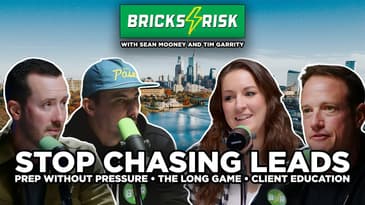
The conversation begins with Jenn’s unconventional entry into real estate, transitioning from over a decade in retail management into an industry that rewards initiative but offers little safety net. Her story highlights a theme that repeats throughout the episode: real estate isn’t something you casually “try.” Success requires full commitment, emotional resilience, and a willingness to bet on yourself when certainty is nowhere to be found. Seth echoes this sentiment, pointing out that the industry’s low barrier to entry often creates a mismatch between expectations and reality, contributing to the staggering failure rate among new agents.
From there, the discussion moves into why Seth and Jenn felt compelled to launch a podcast aimed directly at consumers rather than agents. They break down the massive gap between what buyers and sellers actually need to know and what the industry typically tells them. Instead of fear-based headlines, manufactured urgency, or sales-driven advice, their mission is to explain how real estate actually works — from financing misconceptions to what happens after the closing table. A major takeaway is that consumers often feel guilty asking questions before they’re “ready,” when in reality, that exploratory phase is exactly where good guidance matters most.
The episode also dives deep into the realities of real estate teams. Seth shares hard-earned lessons from building, scaling, and ultimately downsizing his team. He explains why simply adding agents doesn’t equal growth, how lack of systems can sabotage leadership, and why alignment matters more than headcount. The conversation contrasts traditional top-down team models with a more collaborative approach focused on autonomy, skill development, and long-term sustainability.
Jenn offers valuable perspective from the agent side of the equation, explaining how the SLG Team balances support with independence. Rather than relying on a “feed the agents leads” model, the focus is on teaching agents how to build their own businesses while ensuring they’re never left struggling. The philosophy is simple but powerful: no one starves, but everyone learns how to hunt. That mindset shapes how the team approaches income, accountability, and professional growth.
Operationally, the episode gets tactical. Seth walks through how the team uses daily huddles, transaction coordination, virtual assistants, and task audits to run lean while staying effective. They discuss the importance of identifying high-value activities, delegating appropriately, and avoiding the trap of doing everything yourself just because you can. This behind-the-scenes look provides actionable insight for agents, team leaders, and business owners far beyond real estate.
Networking and relationship-driven business emerge as another core theme. Seth explains how warm relationships, community involvement, and credibility compound over time, creating a business built on trust rather than cold outreach. Referrals are framed not as transactions, but as extensions of reputation — something that must be earned and protected. Jenn reinforces this approach, emphasizing authenticity, curiosity, and the willingness to talk to anyone, anywhere.
As the conversation comes full circle, the group reflects on the emotional weight of real estate transactions. Moving is stressful, personal, and deeply tied to people’s lives and identities. That reality is exactly why Seth and Jenn named their podcast Moving Sucks — because acknowledging that truth is the first step toward fixing the experience. Helping families move safely and confidently isn’t just a job; it’s a responsibility.
This episode is a must-watch for real estate professionals questioning traditional models, consumers looking for clarity, and anyone interested in how thoughtful risk-taking, structure, and relationships can create long-term success. Whether you’re building a team, buying your first home, or rethinking how business should actually work, this conversation delivers insight without the fluff.
If you enjoyed this episode, be sure to like, subscribe, and share Bricks and Risk with someone who could use a smarter, more honest take on real estate and risk.