
Every real estate professional starts somewhere — hungry for guidance, eager to learn, and ready to follow the footsteps of those who came before. But in an industry overflowing with opinions, tips, and so-called “secrets,” how do you tell the difference between advice that helps you grow and advice that holds you back?
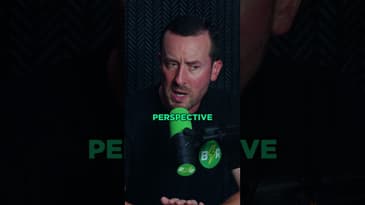
In this short, Sean Mooney and Tim Garrity dive deep into one of the most overlooked realities of business: not all advice is good advice. Whether you’re brand new to real estate or years into your career, you’ll hear things from mentors, peers, and influencers that sound right — but may not be right for you.
Sean and Tim open the conversation by acknowledging something every professional can relate to: the flood of information that hits you the moment you enter the industry. Everyone has a system, a formula, or a “must-do” list. Coaches tell you how to prospect. Brokers tell you how to brand. Other agents tell you how to close. It’s easy to assume the loudest voices have the best answers — but that’s not always true.
Tim shares how easy it is, especially early on, to fall into the trap of following advice that doesn’t fit your goals or personality. You might try to copy someone else’s process because it worked for them, only to realize later that it doesn’t align with how you want to do business. Maybe you’re told to cold call for hours, post flashy content, or chase volume above all else — even when that approach drains your motivation.
Sean adds that much of the advice floating around in real estate comes from people who mean well, but who are really just describing what worked for them. It’s not that their strategy is bad — it’s that it’s built around their specific market, personality, and resources. What works for a high-volume city agent might not work for a community-based suburban one. What fits a seasoned broker might not suit a brand-new agent. Context matters.
This is where the conversation shifts into something powerful: the importance of discernment. The skill that separates professionals who succeed long-term from those who struggle isn’t how much advice they take — it’s how well they filter it.
Sean and Tim agree that taking advice blindly can send your career in the wrong direction. You might spend months chasing someone else’s goals, measuring yourself against someone else’s metrics, or building a business that doesn’t reflect your strengths. The key is to listen, learn, and then ask yourself one essential question: Does this make sense for me?
Tim talks about the value of experience — how trial and error often becomes the best teacher. Even when advice doesn’t work out, it gives you insight into what does. The more you experiment, the better you get at recognizing what aligns with your goals and what doesn’t. Eventually, you stop needing as much external direction because you’ve built your own system, informed by lessons that come from doing, not just listening.
Sean points out that advice, both good and bad, can still have value. Bad advice can be just as instructive as good advice if you know how to interpret it. When you follow a piece of guidance and it fails, it gives you clarity — it tells you what doesn’t work for your business, your clients, or your mindset. Every wrong turn refines your intuition.
They both emphasize that advice should serve as a compass, not a command. The purpose of mentorship, podcasts, and industry conversations isn’t to hand you a script — it’s to offer perspective. Great advice gives you options. It doesn’t limit you.
Tim shares that over time, he’s learned to take advice from others as inspiration rather than instruction. When you stop trying to replicate someone else’s business and start adapting ideas to your own strengths, everything changes. Your marketing becomes more authentic. Your relationships become more genuine. Your growth feels sustainable instead of forced.
The discussion also dives into how social media has complicated this dynamic. With so many real estate personalities posting “success formulas,” it’s easier than ever to mistake visibility for credibility. Just because someone looks successful online doesn’t mean their methods are right for you. Sean and Tim remind viewers that authenticity beats imitation every time — and that the best business models are built from real experience, not borrowed identity.
By the end of the conversation, the message becomes clear: the goal isn’t to stop taking advice — it’s to learn how to use it wisely. Listen to everyone, but follow yourself. Take what fits, discard what doesn’t, and remember that success looks different for every agent.
Sean closes the idea by reinforcing a mindset that defines great entrepreneurs in every field: your journey has to be built on your own goals, not someone else’s playbook. The sooner you realize that, the sooner your business starts to feel like yours.