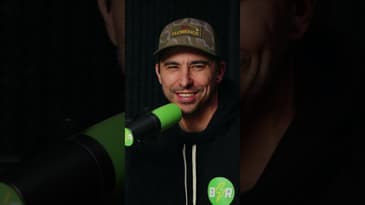
In this specific segment, you are watching a real-time experiment in vulnerability and expertise. Tim Garrity made a conscious decision that would terrify most content creators and business owners. He showed up to the microphone without the safety blanket. No bullet points. No neatly typed outline. No cue cards to save him if the conversation stalled. To the outsider, this looks like a lack of preparation. To the expert, this is the ultimate test of "bootstrapped" knowledge.
Why does this matter to you? Because the modern business landscape—whether you are moving bricks in real estate or managing risk in insurance—has become allergic to authenticity. We are drowning in scripts. Sales agents read from flowcharts. Managers recite corporate policy. Founders pitch from memorized decks. The problem with scripts is that they are rigid. They work perfectly until the world throws a variable at you that wasn't in the PDF.
Tim’s decision to pick topics on the fly wasn't laziness; it was a strategic removal of the filter between his brain and the audience. When you rely on an outline, you are effectively listening to your notes rather than listening to the person across from you. You are waiting for your turn to speak instead of reacting to the dynamic reality of the conversation. By ditching the notes, Tim forced himself (and Sean) into a state of hyper-awareness. They had to rely on the "muscle memory" built over 15+ years of grinding in their respective industries.
This concept of "Instinct Over Outline" is the dividing line between the average agent and the top 1% producer. Think about the last deal you lost. Did you lose it because you didn't have enough data, or did you lose it because you couldn't read the room? In real estate, the "script" says you should list features and benefits. But the "gut" tells you that the seller is terrified of leaving their childhood home and needs empathy, not a lecture on square footage. If you are too busy looking at your checklist, you miss that emotional cue, and you lose the listing.
In the insurance game, Sean knows that risk isn't static. You can have the best actuarial tables in the world, but when a client calls you in a panic at 2 AM because their business is underwater, they don't want a prepared statement. They want a human being who can synthesize decades of knowledge into an instant, calming solution. That level of service cannot be scripted. It has to live in your bones. It has to be accessible in an instant, without needing to "circle back" or "consult the manual."
What you are witnessing in this clip is the difference between "Knowledge" and "Wisdom." Knowledge is having the outline. Wisdom is knowing you don't need it. We often confuse being "prepared" with being "scripted." True preparation doesn't happen in the ten minutes before a meeting; it happens in the ten years prior. It is the thousands of phone calls, the hundreds of inspections, the late-night contract reviews, and the failures that taught you what not to do. That is your outline. It is written in your experience, not on a piece of paper.
We encourage you to try this in your own business this week. Throw away the script for one meeting. Go into a sales call with nothing but your ears and your expertise. It will feel uncomfortable. You will feel that "risk" in your stomach. But that is exactly where the growth happens. When you remove the safety net, you force your brain to engage at a higher level. You stop reciting and start connecting.
The "No Notes" approach also exposes the imposters. You can fake your way through a presentation with a good slide deck. You cannot fake your way through an unscripted deep-dive conversation. When Tim and Sean riff on these topics, they aren't guessing. They are pulling from a deep well of lived experience. This is why the Bricks & Risk podcast resonates—because we don't polish the edges.
Stop hiding behind the "process" and start trusting the person you have become through the process. The market moves too fast for bullet points. Sometimes, you just have to trust your gut, read the defense, and throw the ball. The best opportunities often come in the moments we didn't plan for, the questions we didn't anticipate, and the topics that weren't on the note cards. Embrace the chaos. Trust your gut.