
TLDR:
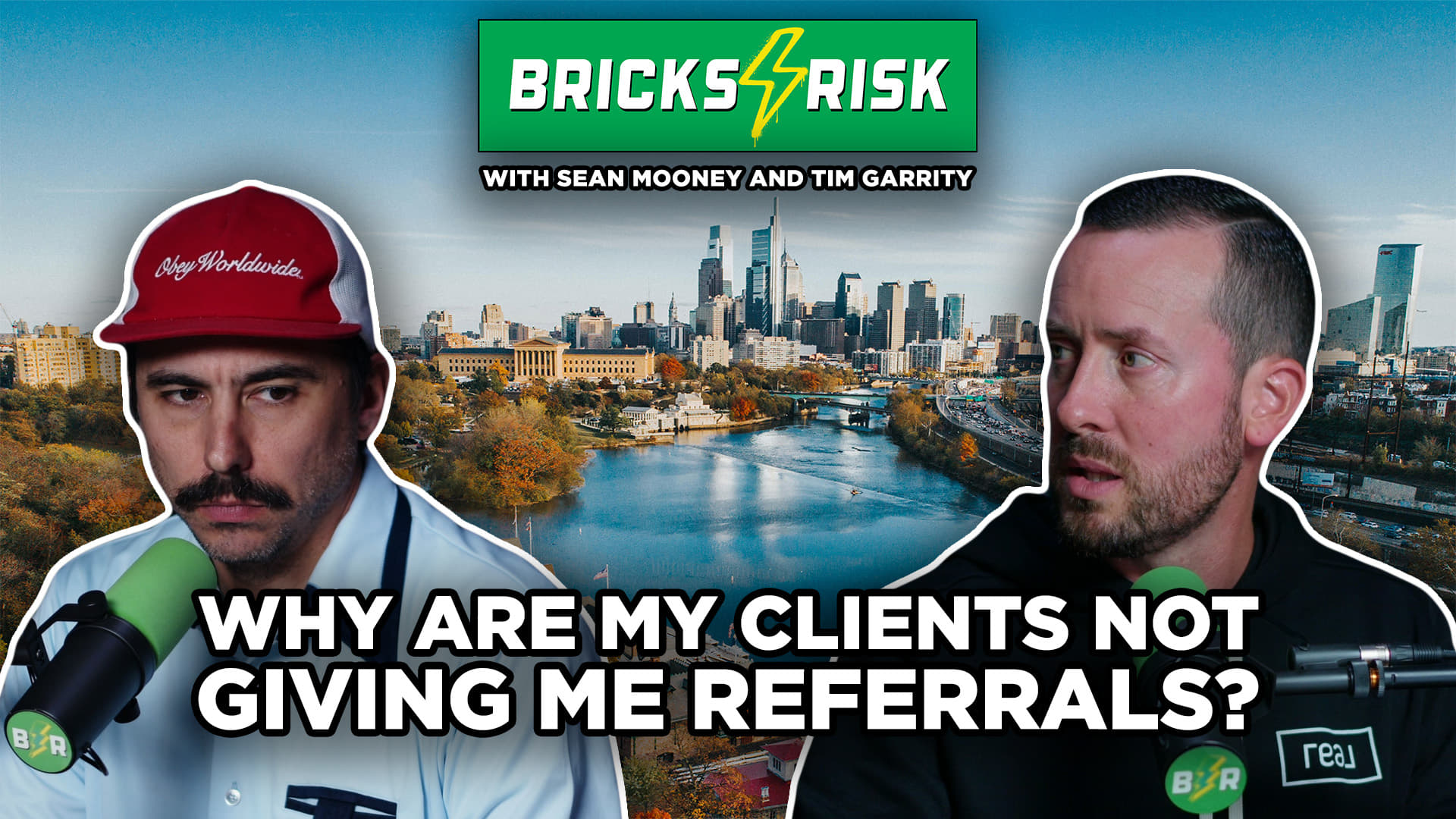
If you’re delivering great service but still wondering why referrals aren’t coming, the issue isn’t effort — it’s visibility. Referrals don’t happen automatically; they happen when people remember you at the exact moment opportunity arises. Drawing from real-world experience discussed on Bricks and Risk, this article explains why consistency is the most underrated growth lever in relationship-based businesses. From a monthly newsletter sent every month for 15 years to showing up reliably through podcasts, emails, and personal touchpoints, long-term success comes from staying present long enough for trust to compound. Great service starts the relationship — consistency sustains it.
Table of Contents
Introduction
Why Referrals Don’t Come as Easily as You Think
The Myth of “Good Service Equals Referrals”
The Reality of Memory and Visibility
The Hidden Power of Consistency
Newsletter Case Study: 15 Years, 180+ Issues
Podcast Consistency: Showing Up Every Week
Why Consistency Works (Science + Strategy)
Marketing Psychology & Cognitive Fluency
The Rule of Repeated Exposure
Practically Building a Consistent Referral Engine
Communication Cadence
Personalized Follow-Up
Systemizing Relationships
Real Strategies That Convert
Community Events
Expanding Beyond Past Clients
SEO, Content and Staying Top of Mind
Why Online Presence Matters
Tools That Help You Keep Consistent
FAQ
Conclusion
1. Introduction
If you’ve ever asked yourself, “Why aren’t referrals coming?” — you’re far from alone.
You deliver great service. You close deals. You think you’re doing everything right — but the referrals you expected never arrive. You send holiday cards, you text happy birthdays, and maybe you drop off a bottle of wine here and there — yet your pipeline still feels dry.
There’s a reason for that. And it’s not bad service, bad luck, or a weak market. It’s something deeper and more foundational: a misunderstanding of how referrals actually happen — and what drives them.
This article breaks down the real reasons referrals often fail to materialize… and, more importantly, what top performers do differently, grounded in both real experience and proven marketing principles.
2. Why Referrals Don’t Come as Easily as You Think
The Myth of “Good Service Equals Referrals”
Most people believe that if you provide excellent service, referrals will naturally follow.
That assumption sounds logical:
“If a client loves their experience, they’ll tell everyone about you.”
But research and real industry results show that satisfaction alone doesn’t generate referrals at scale. People may have had a great experience, but they simply don’t think of you often enough to act when a referral opportunity arises. Orange Realty
In fact, one real estate agency article highlights that many agents close great deals, only to be forgotten months later because they don’t stay in front of their past clients consistently.
So what’s the real problem?
The Reality of Memory and Visibility
Clients have busy lives. They encounter dozens — if not hundreds — of brands, service providers, and social media impressions every week. Unless your name is consistently reinforced over time, it’s easy to be forgotten.
One source states that agents often lose referral opportunities simply because they fail to stay top of mind.
And this isn’t just about real estate. Marketing research shows that people need multiple exposures to the same message before it truly registers — often far more than one or two touches. America's Best Marketing
So great service is necessary. But it’s not sufficient on its own.
3. The Hidden Power of Consistency
Newsletter Case Study: 15 Years, 180+ Issues
One of the most underrated referral generators isn’t fancy content, social virality, or aggressive sales — it’s a simple monthly newsletter that never misses a month.
In a recent Bricks and Risk podcast episode, Tim talked about how his monthly newsletter has gone out every single month for 15 years, without fail.
That means:
Over 180 issues delivered
Zero gaps, ever
Steady presence in people’s inboxes
And even if only a small percentage of readers engage each month, the compounding visibility over the years creates familiarity, trust, and memory association — the very things referrals require.
An article on real estate media notes that consistent branding and content strengthen trust and recognition and significantly improve client confidence. HomeJab Real Estate Photography
This couldn’t be more true: consistency builds a psychological connection that differentiates you from the agent who shows up once or twice and disappears.
Podcast Consistency: Showing Up Every Week
Just like the newsletter, Bricks and Risk itself is released with regular cadence.
That matters.
People don’t remember one great episode. They remember the pattern — when they see new episodes each week or month, they start to rely on you as a consistent voice of insight and value.
That principle is exactly why high-frequency content creators capture attention more easily: audiences subconsciously expect and anticipate the next piece of content, which strengthens engagement and recall.
4. Why Consistency Works (Science + Strategy)
Content and marketing experts have long known that consistency isn’t just “nice to have” — it’s scientifically meaningful.
Marketing Psychology & Cognitive Fluency
Psychological studies show that when consumers encounter the same brand signals repeatedly, they experience cognitive fluency — things feel easier to process and more trustworthy because they are familiar.
That familiarity reduces anxiety, boosts comfort, and increases the likelihood of positive action — such as referring you to someone they know.
The Rule of Repeated Exposure
Marketing theorists sometimes refer to the Rule of Seven — the idea that a prospect generally needs at least seven exposures before they take action.
In today’s noisy market, that number is likely higher. Email, social, events, face-to-face conversations, newsletters, podcasts, and community visibility all work together to drive repetition.
Studies on repetitive exposure confirm that consistent brand messaging plays a direct role in building trust, recognition, and long-term engagement.
This insight flips the traditional referral logic on its head: referrals aren’t spontaneous gifts — they’re the result of repeated meaningful visibility over time.
5. Practically Building a Consistent Referral Engine
So how do you translate this into action? Here are three foundational moves.
Communication Cadence
Set a predictable rhythm for communication — and commit to it.
Examples:
Monthly email newsletter
Weekly social posts with market or helpful insights
Quarterly market updates to your top clients
What matters most is not frequency — but regularity.
Personalized Follow-Up
Generic messages feel like noise. Personalized touches feel like value.
Segment your contacts — past clients, prospects, referral partners — and tailor simple check-ins. Ask how they’re doing. Reference something specific. These human touches strengthen trust.
Systemizing Relationships
Consistency doesn’t happen by accident. It happens by design.
Use a CRM with reminders, automations, and notes so you never forget a birthday, anniversary, or milestone — and so you can systematically reach out before you forget.
This transforms relationship building from an ad-hoc effort into a repeatable referral engine.
6. Real Strategies That Convert
Let’s go beyond the basics.
Community Events
One high-performing real estate agent built a referral “flywheel” by planning events year-round — from Easter egg hunts to fall festivals to holiday moments — building brand visibility and goodwill with broad audiences. Inman
These events aren’t about hard selling — they’re about building authentic community presence and letting people see and remember you.
Expanding Beyond Past Clients
Many agents limit their referral focus to past clients. But you can also cultivate relationships with:
Other agents (local and non-local)
Industry professionals (lenders, inspectors, attorneys)
Community partners and local businesses
A recurring outreach strategy to these groups can generate valuable inbound referrals from unexpected places.
7. SEO, Content, and Staying Top of Mind
Consistency isn’t just about emails and events — it’s also digital.
Why Online Presence Matters
Your website, blogs, and social media aren’t just branding tools — they’re active vehicles for staying top of mind and improving organic visibility.
Consistent blog content optimized for SEO does three things:
Improves search rankings for key client searches
Reinforces your authority and expertise
Provides content that clients can share with others
External research confirms that consistency in media and branding improves recognition and trust — leading to stronger engagement and potential referrals.
👉 A powerful article on how agents can structure a referral flywheel and year-round engagement can be found here:
Inman: How One Agent Built a Referral Flywheel That Drives Over Half Her Business
(https://www.inman.com/2025/12/28/how-1-agent-built-a-referral-flywheel-that-drives-over-50-of-her-business/) Inman
Excellent external point of reference that support the role of consistency and relationship building.
8. FAQ
Q: Why don’t referrals happen automatically after a good transaction?
A: Because clients may value their experience but forget about you over time — unless you stay consistently present and visible in their world.
Q: Isn’t social media enough to stay top of mind?
A: Social media helps, but the most durable visibility comes from multi-touch communication — email, events, newsletters, personal follow-ups, and digital content.
Q: How long until consistency pays off?
A: It varies by market and audience, but many top professionals don’t see compounding effects until months or even years of steady outreach.
Q: What’s better — more frequent or more consistent communication?
A: Consistent and sustainable communication wins every time. Frequency is only helpful if you maintain it over the long term.
Q: How do I measure if this is working?
A: Instead of immediate referrals, look for engagement signals (email opens, replies, event attendance) and long-term trends in referral mentions or inbound inquiries.
9. Conclusion
Referrals don’t come by accident.
They come from consistent presence, trust-building communication, and repeated, meaningful visibility over time.
Great service is necessary — but insufficient. Without staying top of mind, even satisfied clients drift into the noise of everyday life and forget to refer you when opportunities arise.
By embracing consistency as a strategic advantage — not a boring chore — you build not just referrals, but lasting relationships, trust, and long-term business growth.
📲 Want more inspiration, insights, and expert advice at the intersection of real estate, insurance, and entrepreneurship?
Connect with Bricks and Risk here:
🌐 Web: https://bricksandrisk.com/
🔗 YouTube: https://www.youtube.com/@BricksandRisk
📸 Instagram: https://www.instagram.com/bricksandrisk/
📘 Facebook: https://www.facebook.com/bricksandrisk
💼 LinkedIn: https://www.linkedin.com/company/bricksandrisk